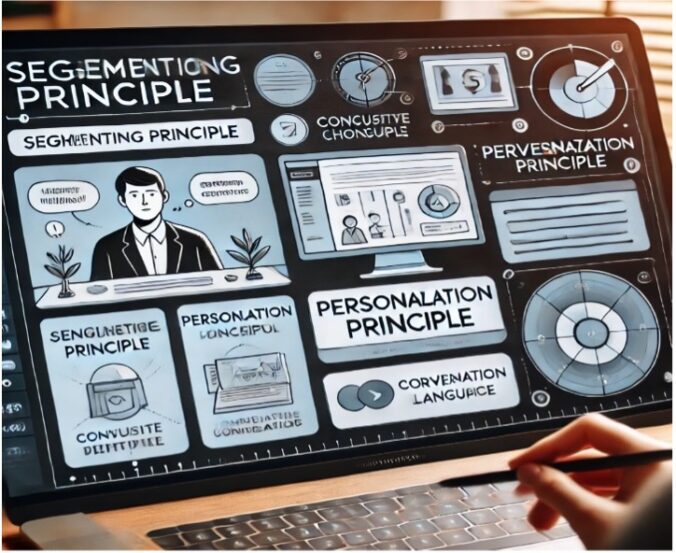
Effective multimedia learning is an important requirement in the digital age. Due to the current changes associated with increasing online educational settings, learning how students gain and process multimedia information can be critical in improving their outcomes. In this post, I will reflect on my individual experience engaging with the Cognitive Theory of Multimedia Learning (CTML) principles. I will explore the principles that were the most intuitive to me throughout my experience and possibly the ones that surprised me.
Most Intuitive Principes
The modality principle is the most intuitive concept that I encountered throughout the module. It mentions that learners gather and process information in the right way when presented in both visual and auditory channels rather than through the use of a single channel alone. In relation to my past experiences, I realized that the principle comes naturally in many ways, particularly when dealing with diverse learners and creating their content. The incorporation of visual elements and narration helps the students to retain information effectively. On the other hand, the redundancy principle was surprising. I choose this principle because it explores the potential adverse impacts that using two approaches to the same concept may have on the learning process. I observed that presenting the same information through the audio and text simultaneously can have a negative influence on overall outcomes. Initially, I believed that using such an approach could improve understanding. However, this belief has changed as I found that the approach can overload the cognitive capacity of the learners. The principle challenges the initial assumptions and pusher me to reconsider and implement alternative strategies in combining and text in a future project.
Designing Screencast
When creating my screencast, I put more effort into incorporating various CTML principles. One of the principles that I implemented in this case was the coherence concept. I made a concerted initiative to ensure that only essential visuals and information were incorporated. It was essential to resist the urge to add facts that may distract the learners from gaining the intended insight. Further, I attempted to apply the spatial contiguity principle by making sure that all related phrases and images were presented on the screen together. The task presented me with significant challenges when demonstrating the technical aspects of a technology since I had to create a balance between all the interfaces and highlight most of the vital aspects. From the gained experience, I related the challenges encountered in solving a puzzle, where all pieces must fit together in a way that makes cognitive and visual sense.
However, the modality principle presented most challenges. Although I understand the importance of using narration over on-screen text, I experienced difficulties with the idea of not offering written data for complex cases. I further decided to combine on-screen text areas and narration to provide detailed explanations for the concepts that needed more emphasis. This way, I aimed to take advantage of the benefits of the two approaches. The compromises presented unpredicted challenges as I had to attain a balance between the various instructional methods. Regardless, I was successful in integrating these concepts since the resulting screencast provided an integrative learning avenue.
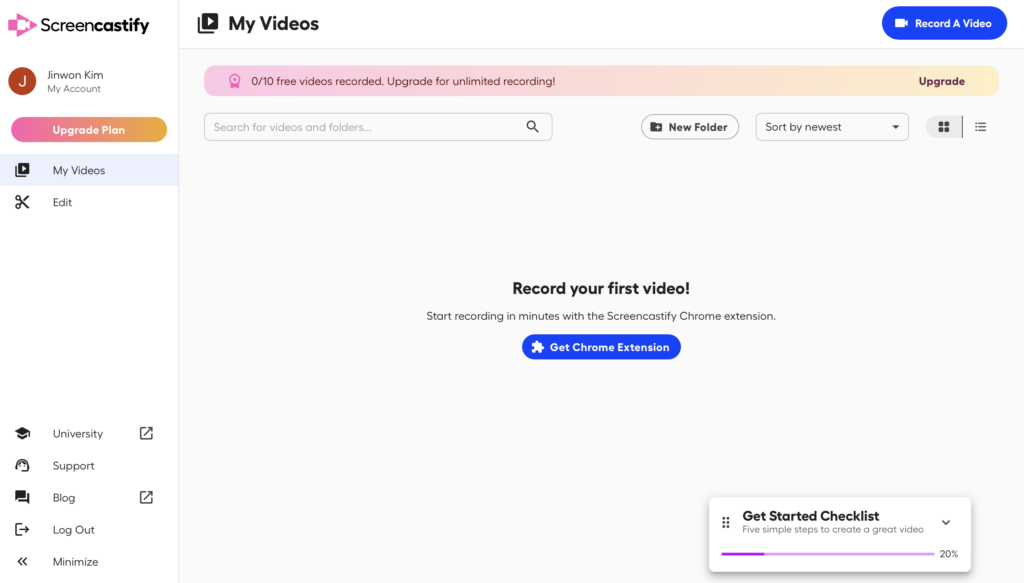
Hi Jinwonk, I think your screencast is really great. I think the visual reflects the time you put into it and looks really professional. I appreciate that you felt the modality principle was most intuitive, yet throughout the assignment you still struggled to implement it at times. I think a lot of the principles make sense when we hear about them and even feel intuitive, but when we go to put them into practice we can struggle because these are likely not principles we subconsciously put into practice in our daily lives, so it is going to take practice to feel as easy as they sound. Once again your screencast is really impressive, great job!